
How Hygienic Are Hand Dryers?
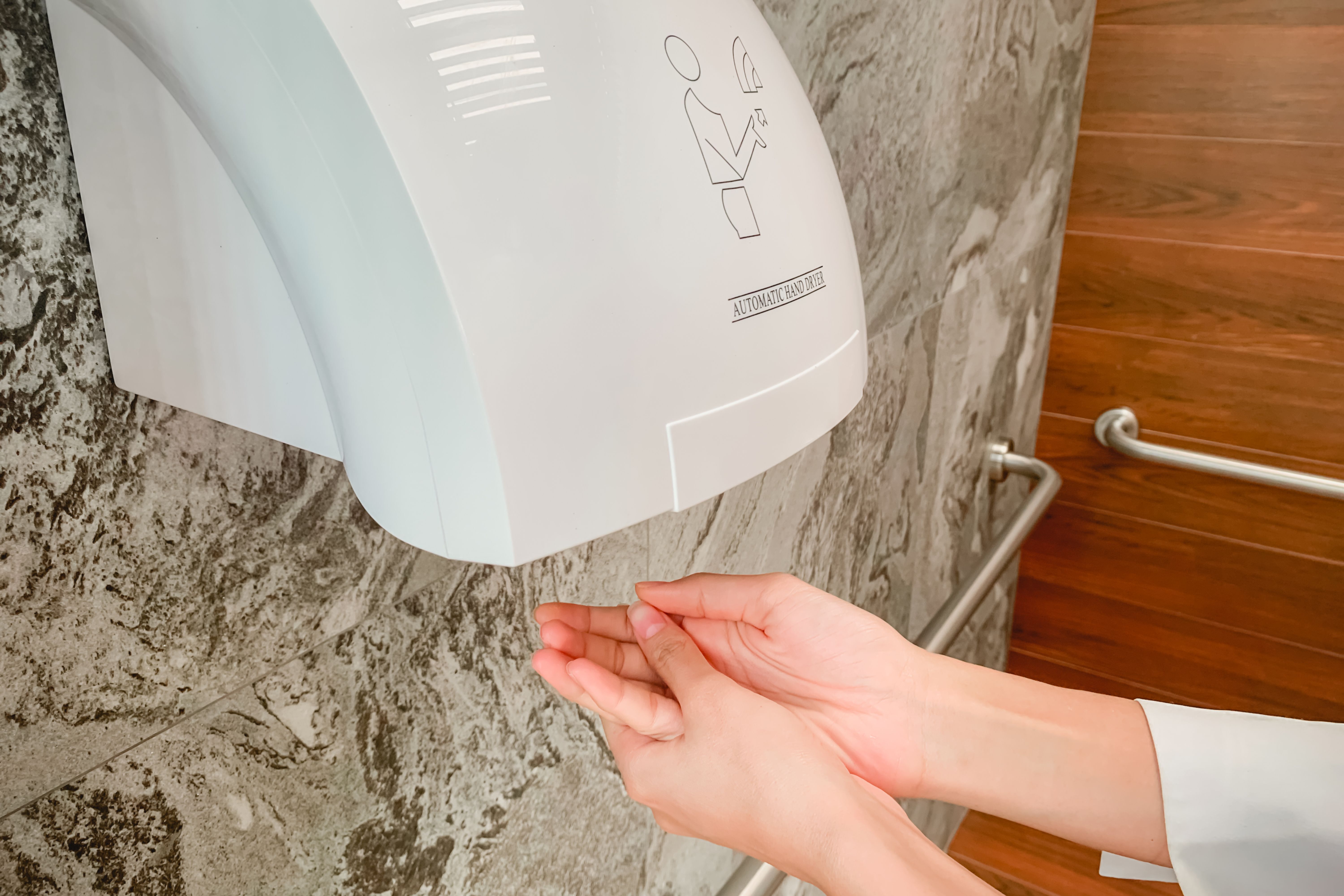
Keeping your hands clean in public restrooms is easier than it seems, but the way you dry them can make a difference. With more people thinking about hygiene and the spread of germs, hand dryers are coming under closer scrutiny.
There are different types of hand dryers, and not all are created equal when it comes to cleanliness. This guide looks at how hand dryers work, what research says about germs, and simple ways to make hand drying safer and more hygienic.
Common Myths About Hand Dryers
Hand dryers often get a bad reputation, and many people assume the worst about hygiene. In reality, some of these concerns are based on myths rather than facts. Here’s a look at the most common misconceptions.
Myth 1: Hand dryers are always unhygienic
It’s easy to assume that hand dryers are dirty just because they’re in public restrooms. In truth, most modern dryers are designed with hygiene in mind. High-speed units with HEPA filters can capture dust and bacteria from the air before it reaches your hands. The key factor is not the dryer itself but how clean your hands are when you use it.
Myth 2: Hand dryers spread more bacteria than hand towels
Many people believe that hand towels are always safer than hand dryers. While high-speed dryers can move small particles into the air, the difference in bacterial spread is usually minimal if hands are washed properly. Hand towels physically remove water and some bacteria, while dryers rely on airflow. Both methods can be hygienic when used correctly.
Myth 3: All hand dryers are the same
Not all hand dryers are created equal. Differences in airflow, drying speed, and filtration can affect hygiene. For example, a warm-air dryer may blow slower, circulating fewer particles, while a high-speed jet dryer moves air quickly, potentially sending more germs into the surrounding space. HEPA filters, proper maintenance, and thoughtful placement all improve hygiene.
How Do Hand Dryers Work?
Hand dryers might seem simple, but there’s more going on than just blowing air onto your hands. Most units fall into two main types, and each works in a slightly different way that can affect both drying speed and hygiene.
Traditional Warm-Air Dryers
These dryers use a gentle flow of warm air to evaporate moisture from your hands. They usually take a little longer to do the job, which sometimes leads people to rub their hands together more. This can spread germs around your hands even after washing.
High-Speed Jet Air Dryers
Jet air dryers work by blowing a strong stream of air to push water off your hands. Many newer models have HEPA filters that catch dust, bacteria, and other particles before the air reaches your hands. While they are quick, the strong airflow can sometimes blow germs into the air around the dryer.
Knowing the differences between these types of dryers helps explain why some are considered more hygienic than others. Factors like drying time, airflow, and filtration all play a part in keeping your hands clean.
Bacteria in Hand Dryers
Even hand dryers that look clean can carry bacteria. Most microbes are harmless, but some can survive in the warm, damp environment of a restroom and be spread when the dryer is used. Understanding the types of bacteria and where they come from can help explain why hygiene matters.
Types of Bacteria Found in Hand Dryers
Hand dryers can host a variety of bacteria, usually picked up from the restroom environment or from hands. Common examples include bacteria that naturally live on skin, as well as others present on surfaces such as door handles or taps. While most of these bacteria are not harmful for healthy people, some could cause infections in those with weaker immune systems.
Sources of Contamination
Bacteria can come from several sources, including:
- The air in the restroom
- The surfaces of the hand dryer itself
- Hands that were not washed thoroughly
When the dryer is switched on, airflow can move these bacteria slightly into the surrounding area. This does not mean hand dryers are unsafe, but it highlights the importance of regular cleaning and maintenance.
How Bacteria Spread
The way a hand dryer works can affect how bacteria travel. High-speed jet dryers blow air quickly, which can lift tiny particles off hands or nearby surfaces into the air. Traditional warm-air dryers have slower airflow and tend to spread fewer particles, but bacteria can still travel if the environment is not clean.
Simple precautions help keep hand drying hygienic. Washing hands thoroughly before drying, avoiding unnecessary contact with the dryer, and using units that are regularly cleaned all make a big difference.
Do Hand Dryers Increase Bacteria?
It’s a common concern that using a hand dryer could make hands less clean, but the reality is more nuanced. Whether hand dryers increase bacteria depends largely on the type of dryer and the environment it’s in.
Factors that can affect bacterial spread include:
- Drying method: Jet air versus warm-air units
- Maintenance: How often the dryer is cleaned and serviced
- Restroom environment: Crowding, ventilation, and surface hygiene
Used correctly, hand dryers do not make hands unhygienic. Washing thoroughly before drying and avoiding touching the dryer directly can significantly reduce exposure to hand dryers germs. In practice, they can be a safe and convenient option, and some modern units with built-in filters even help capture bacteria before it reaches the hands.
Hand Dryers vs Hand Towels: Which is Safer?
When it comes to drying your hands, there is often debate about which option is more hygienic: hand dryers or hand towels. Both have their advantages and limitations, and the choice can depend on hygiene, convenience, and environmental factors.
Hygiene Considerations
Both hand towels and hand dryers can be hygienic if used correctly. Hand towels physically remove moisture and some bacteria, while hand dryers reduce contact with surfaces. Choosing the right option depends on your priorities for hygiene, convenience, and sustainability.
Practical Pros and Cons
Hand Towels:
- Quick and simple to use
- Remove bacteria physically from hands
- Generate waste and require frequent restocking
- Can cause surface contact if bins are overflowing
Hand Dryers:
- Eco-friendly and reduce waste
- Contact-free drying reduces surface germs
- Some high-speed dryers can move bacteria into the air if the restroom isn’t clean
- Require electricity and regular maintenance
Which Should You Choose?
Both methods are safe if used correctly. Hand towels are great for quick drying and removing bacteria physically, while hand dryers are convenient, hygienic, and environmentally friendly when paired with proper handwashing and maintained units.
Ultimately, the hygiene of either option depends less on the method itself and more on handwashing and good restroom practices. Understanding the differences helps you make an informed choice about what’s best for your environment.
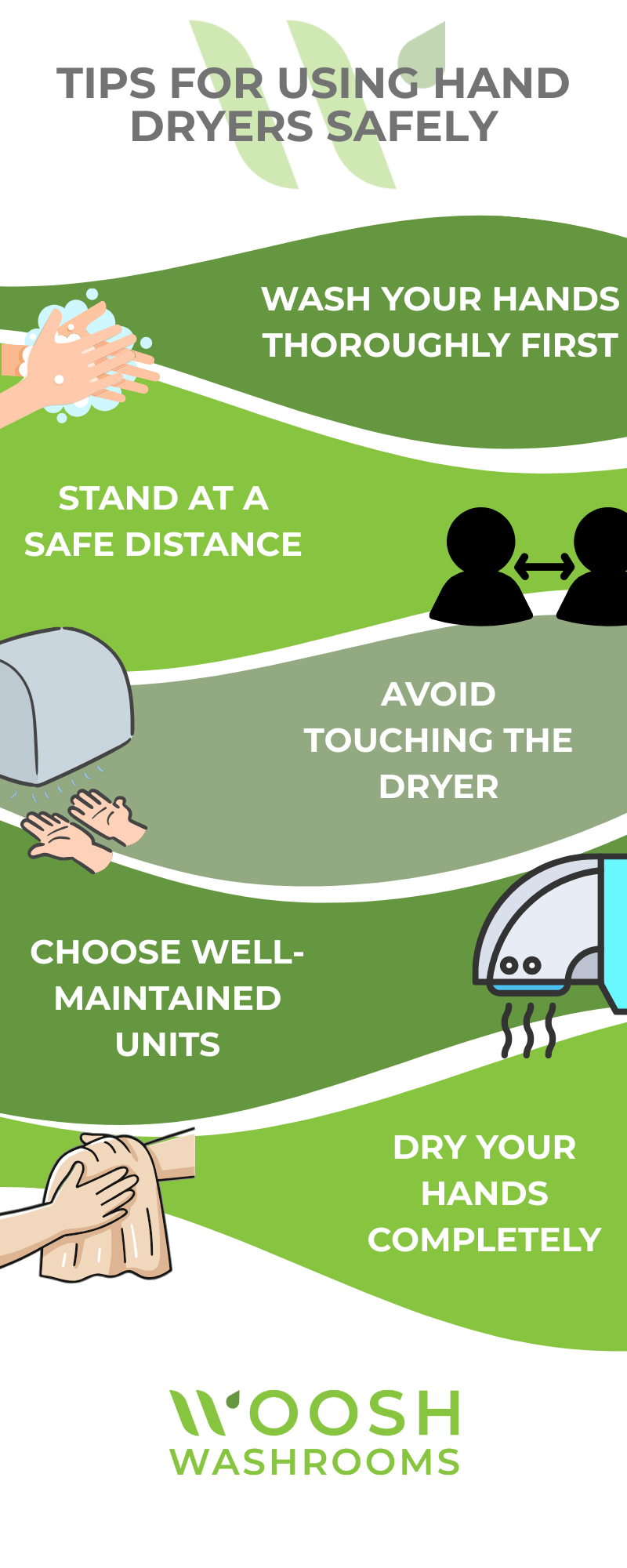
Tips for Using Hand Dryers Safely
Hand dryers are convenient and hygienic when used correctly, but a few simple practices can make a big difference in reducing exposure to germs.
Wash Your Hands Thoroughly First
The most important step is proper handwashing. A hand dryer cannot remove bacteria that remain on unwashed hands, so taking 20 seconds with soap and water is key to hygiene.
Stand at a Safe Distance
High-speed dryers can move tiny droplets into the air. Standing a short distance from the nozzle helps minimise the chance of bacteria from the air landing back on your hands.
Avoid Touching the Dryer
Touching the outside or buttons on a hand dryer can transfer germs from previous users. Use your hands only when necessary or opt for touch-free models when available.
Choose Well-Maintained Units
A dryer that is regularly cleaned and serviced is less likely to spread bacteria. Units with HEPA filters are even more effective at reducing exposure to germs.
Dry Your Hands Completely
Wet hands can spread bacteria more easily than dry ones. Take the time to dry your hands fully, even if it takes a few extra seconds.
Why Choose Woosh Washrooms for Washroom Supplies?
When it comes to keeping your washrooms clean, hygienic, and well-stocked, choosing the right supplies makes all the difference. Woosh Washrooms offers both high-quality hand towels and hand dryers, giving you the flexibility to choose the drying method that best suits your facility and your hygiene standards.
With our hand dryers, you can be confident you are using modern units designed with airflow and hygiene in mind, helping to reduce the spread of hand dryers germs. For those who prefer hand towels, Woosh supplies reliable, easy-to-use options that physically remove moisture and bacteria from hands.
Choosing Woosh means you are not just installing hand dryers or hand towels, you are supporting a cleaner, safer, and more hygienic washroom environment. Our products are ideal for businesses, offices, and public spaces that want to minimise bacteria in hand dryers, maintain hygiene, and give users a safe and convenient way to dry their hands.
Key Takeaways for Hand Dryers and Hygiene
- Hand dryers are generally hygienic when used correctly, and modern units with HEPA filters can reduce exposure to hand dryers germs.
- Both warm-air and high-speed jet dryers have pros and cons. Airflow, drying time, and maintenance all influence how hygienic hand dryers are.
- Bacteria in hand dryers can exist, but proper handwashing and regular cleaning significantly reduce risk.
- Hand dryers do not inherently increase bacteria, but crowded or poorly maintained restrooms can contribute to minor bacterial spread. This addresses concerns like do hand dryers increase bacteria and do hand dryers spread bacteria.
- Hand towels are effective at physically removing moisture and bacteria from hands, while hand dryers reduce surface contact. Choosing the right method depends on hygiene priorities, convenience, and sustainability.
- Following simple precautions such as washing hands thoroughly, standing a safe distance from the nozzle, and avoiding touching the dryer helps keep drying safe and hygienic.
- Using quality supplies from providers like Woosh Washrooms ensures that your washroom is stocked with reliable hand towels and hygienic hand dryers, supporting safer environments and helping minimise bacteria in hand dryers.
FAQs
What is the most hygienic way to dry your hands?
The most hygienic way to dry your hands is to first wash them thoroughly, then use either a clean paper towel or a modern hand dryer. Well-maintained hand dryers, particularly those with filters, reduce the risk of spreading germs, while hand towels remove moisture directly from the skin. Simple habits, like avoiding contact with the dryer and standing a little back from the airflow, also help keep your hands cleaner.
Can bacteria survive in a hand dryer?
Some bacteria can survive in hand dryers, especially in warm, damp environments like public restrooms. However, the levels are usually low and can be controlled through regular cleaning and proper maintenance. Using a dryer with a filter can further reduce the presence of bacteria in hand dryers, making them a safe option when combined with good handwashing.
What are the disadvantages of hand dryers?
Hand dryers are convenient and reduce surface contact, but some types can blow tiny particles into the air. This has raised concerns about whether hand dryers spread bacteria in certain settings. They also rely on electricity and may be slower than hand towels for some users. Despite this, modern, well-maintained dryers remain a hygienic and eco-friendly way to dry hands.
Keep Your Washrooms Hygienic with Woosh Washrooms
Maintaining clean, hygienic washrooms is about more than just washing your hands. Choosing the right drying method, whether a well-maintained hand dryer or reliable hand towels, can make a real difference in reducing germs and keeping users safe. Understanding how hand dryers work, the types of bacteria that can be present, and simple precautions helps you make informed choices for your facility.
Woosh Washrooms provides high-quality hand dryers and hand towels to help businesses, offices, and public spaces create cleaner, safer washrooms. Our products are designed to minimise bacteria in hand dryers, improve hygiene, and offer convenient, eco-friendly options for hand drying.
Explore the range of washroom supplies from Woosh Washrooms and find the right solutions for your environment.
Related Articles
- Your Ultimate Guide to Commercial Hygiene
- Fact or Myth: Unveiling the Truth About Hygiene
- The Truth About Workplace Toilet Hygiene