
Hazardous Substances & Waste Management in Hospitals
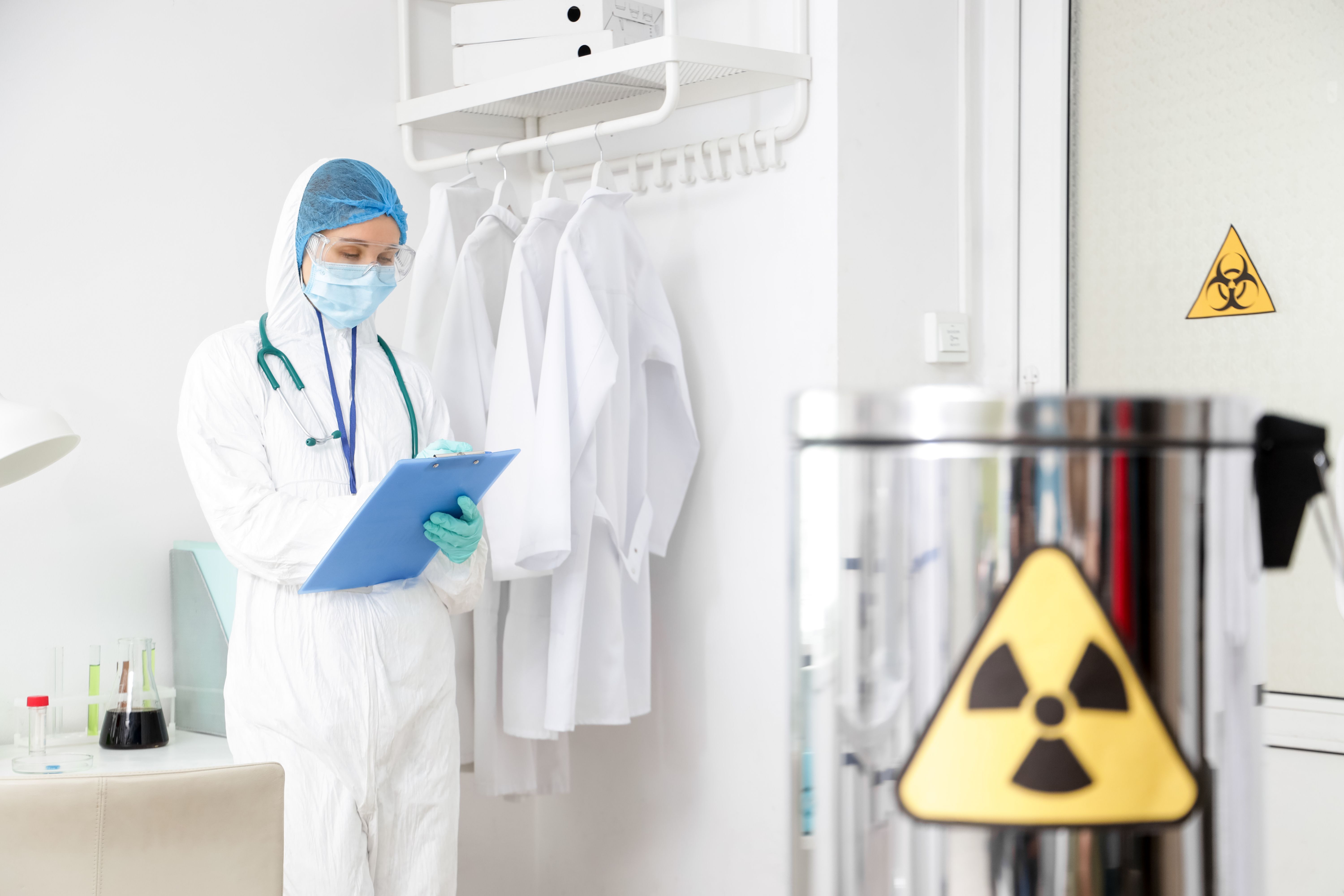
Hospitals deal with all kinds of hazardous substances every day, from chemicals and pharmaceuticals to infectious and radioactive materials. Managing this waste safely is essential for staff, patients, and the environment.
In this guide, we’ll explore how hospitals can identify, handle, and dispose of hazardous substances properly, while keeping compliance and safety in mind. Whether you’re a hospital manager, safety officer, or environmental lead in the UK, this article will give you practical tips for safer, more efficient medical waste management.
How to Identify Hospital Waste
Before you can manage hospital waste safely, you need to know what you are dealing with. Hazardous substances in a hospital come in many forms, including chemicals, pharmaceuticals, infectious materials, sharps, and radioactive items. Identifying each type correctly is the first step to keeping staff, patients, and the environment safe.
A good starting point is to use a clear list of hazardous materials used in hospitals. This can include cleaning chemicals, lab reagents, expired medications, blood samples, and needles. Pay attention to labels, hazard symbols, and storage instructions as they guide safe handling.
Training staff to recognise the different types of waste is just as important. Simple measures such as colour-coded bins and labelled containers make it easier to identify and segregate waste at the source. This reduces risk and helps your hospital environmental management system stay efficient and compliant.
Types of Hospital Waste
Hospitals produce a wide variety of waste, and understanding the differences is essential for safe handling, disposal, and compliance. Here is a detailed look at the main types of hospital waste you will encounter.
General / Non-Hazardous Waste
General waste is the everyday rubbish that does not pose a direct threat to health or the environment. This includes paper, cardboard, food wrappers, packaging, and office waste. While it is not hazardous, it still needs to be managed efficiently to maintain a clean and safe hospital environment. Proper disposal through standard waste streams or recycling schemes helps reduce overall waste and supports sustainability initiatives within the hospital.
Infectious Waste
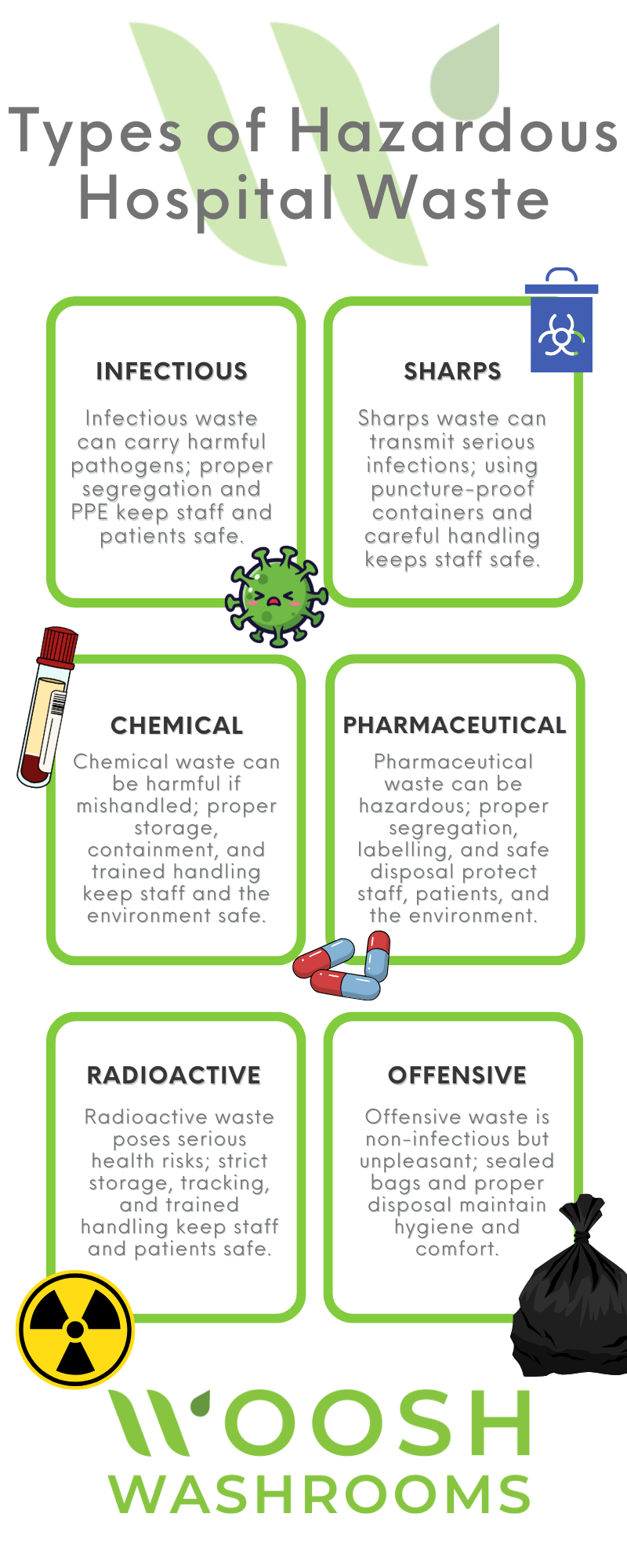
Infectious waste can carry bacteria, viruses, or other pathogens that pose a risk to human health. This includes blood, body fluids, swabs, cultures, and contaminated dressings. Staff handling infectious waste must follow strict infection control protocols, including wearing PPE and using designated containers. Correct segregation at the point of generation reduces the risk of cross-contamination and protects both healthcare workers and patients.
Sharps Waste
Sharps waste includes needles, scalpels, broken glass, and other items that can puncture or cut skin. Accidental contact with sharps can transmit bloodborne infections such as hepatitis or HIV. Hospitals use puncture-resistant containers that are clearly labelled and disposed of through specialised sharps treatment services. Training staff to never overfill containers and to handle sharps carefully is vital to minimise injuries.
Chemical Waste
Chemical waste consists of substances that can be harmful if inhaled, ingested, or if they come into contact with skin. This category includes cleaning agents, disinfectants, laboratory reagents, and sterilising chemicals. Improper storage or disposal can lead to dangerous reactions or environmental contamination. Hospitals must follow strict storage guidelines, use secondary containment for spills, and ensure staff are trained in handling and disposal procedures.
Pharmaceutical Waste
Pharmaceutical waste covers expired, unused, or contaminated medications, including cytotoxic or controlled drugs. These substances can be hazardous to staff, patients, and the environment if not disposed of correctly. Hospitals often use take-back programmes, high-temperature incineration, or specialised waste contractors to safely manage pharmaceutical waste. Clear labelling and segregation at the source help prevent accidental misuse or exposure.
Radioactive Waste
Radioactive waste comes from imaging procedures, radiotherapy, or laboratory work involving radioactive materials. It can pose serious health risks if improperly handled, so hospitals follow strict legal and safety protocols. This includes storing radioactive waste in shielded containers, tracking decay times, and disposing of it through authorised channels. Staff working with radioactive waste receive specialised training and must follow all safety regulations to minimise exposure.
Offensive Waste
Offensive waste is non-infectious but unpleasant, such as nappies, sanitary products, incontinence pads, and soiled dressings. While it does not carry infectious risk, it still needs careful handling to maintain hygiene and patient comfort. Offensive waste is usually collected in sealed, clearly marked bags and disposed of via standard waste contractors or landfill services, depending on hospital policy.
How Hospital Waste is Handled and Processed
Proper handling and processing of hospital waste is essential to protect staff, patients and the environment. Hospitals follow a structured system to ensure each type of waste is managed safely from the point of generation to final disposal. Here is how it works in practice.
Segregation
Segregation is the first and most important step in hospital waste management. Waste must be separated at the source according to its type: general, infectious, sharps, chemical, pharmaceutical, radioactive or offensive. Hospitals typically use colour-coded bins and clearly labelled containers to make segregation easy for staff. Correct segregation prevents cross-contamination, reduces the risk of infection or injury and ensures each type of waste can be disposed of using the right method.
Containment
Once segregated, waste needs secure containment to prevent leaks, spills or exposure. Infectious and chemical waste should be stored in sealed, robust containers, while sharps require puncture-proof boxes. Radioactive materials need shielded containers, and offensive waste should be bagged securely to prevent unpleasant exposure. Secondary containment measures, such as trays or cabinets, are often used for added safety, especially with hazardous hospital chemicals.
Storage
Hospitals store waste temporarily before it is treated or collected for disposal. Storage areas must be well-ventilated, clearly marked and restricted to authorised personnel. Temperature-sensitive waste, such as pharmaceuticals, may require refrigerated storage. Proper storage reduces the risk of accidents, chemical reactions and environmental contamination while keeping the hospital compliant with health and safety regulations.
Transportation
Internal transportation of waste is carefully controlled to prevent spills and exposure. Staff use trolleys, carts or designated transport routes to move waste from wards, labs and treatment areas to storage or processing points. Vehicles and containers must be regularly cleaned and disinfected, and staff must follow strict handling procedures to protect themselves and others during transport.
Treatment
Treatment methods vary depending on the type of waste. Infectious waste is often autoclaved or sterilised before disposal. Chemical waste may be neutralised or treated to reduce hazards. Pharmaceutical waste is usually incinerated or handled through specialist take-back programmes. Radioactive waste is stored until it has decayed to a safe level or disposed of through authorised channels. Treatment ensures hazardous substances are rendered safe before final disposal.
Disposal
Disposal is the final stage of hospital waste management. General waste may go to recycling or landfill, offensive waste is typically sent to landfill, and hazardous waste requires specialist disposal. This can include high-temperature incineration for chemical and pharmaceutical waste, secure landfill for treated infectious waste and authorised disposal for radioactive materials. Correct disposal protects the environment, prevents accidental exposure and keeps hospitals compliant with UK regulations.
Why Correct Disposal Is Important
Disposing of hospital waste correctly is not just about good housekeeping. It plays a vital role in protecting people, the environment and the organisation itself. A well-managed medical waste management system helps ensure hazardous substances in a hospital are handled safely from start to finish.
Protecting Health and Safety
Incorrect disposal of hazardous waste can put staff, patients and visitors at risk. Exposure to infectious materials, sharps injuries or contact with hospital chemicals can lead to serious illness or injury. A clear and well-embedded medical waste management system reduces these risks and supports a safer working environment across the hospital.
Reducing Environmental Impact
Hospitals generate large volumes of waste, and poor disposal practices can cause long-term environmental damage. Chemical and pharmaceutical waste can contaminate soil and water when it is not treated correctly. An effective medical waste management system helps limit pollution, reduce reliance on landfill and support more sustainable waste management practices.
Meeting Legal and Regulatory Requirements
Hospitals are legally required to manage and dispose of hazardous waste in line with UK regulations and industry guidelines. Failure to comply can result in fines, legal action or reputational damage. A robust medical waste management system supports compliance, improves record keeping and helps hospitals meet audit and inspection requirements with confidence.
Waste Audits
Waste audits help hospitals understand how waste is produced, handled and disposed of across the site. They are a practical way to check that hazardous substances and medical waste are being managed safely and efficiently.
- Waste audits assess the types and volumes of waste being generated in different hospital areas, such as wards, theatres, laboratories and pharmacies.
- They identify whether waste is being segregated correctly, including the separation of hazardous, infectious, sharps and general waste.
- Audits highlight risks, non-compliance or gaps in the medical waste management system before they become serious issues.
- They support legal compliance and help hospitals meet regulatory and inspection requirements
- Waste audits provide clear data that can be used to improve waste handling processes and reduce unnecessary disposal costs.
- They often involve reviewing waste containers, storage areas, labelling, documentation and staff practices.
- Findings from audits can inform staff training, policy updates and improvements to the hospital environmental management system.
Regulations and Guidelines
Managing hazardous substances and hospital waste is not just about keeping staff and patients safe. It is also a legal requirement in the UK. Hospitals must follow several key regulations and guidance documents to ensure waste is handled correctly, reduce risks, and protect the environment.
Some of the most important regulations and guidance include:
- Health Technical Memorandum 07‑01 – This NHS document provides best practice guidance on managing healthcare waste. It explains how to classify, segregate and treat different types of hospital waste, helping hospitals maintain a safe and efficient medical waste management system.
- Environmental Protection Act 1990 – This legislation introduces a duty of care for all waste producers, including hospitals. It makes it an offence to dispose of controlled waste illegally and sets out responsibilities for safe handling and disposal.
- Hazardous Waste (England and Wales) Regulations 2005 – These regulations define hazardous waste and provide rules for classification, storage, transport and disposal. They help ensure that chemical and pharmaceutical waste is managed safely.
- Controlled Waste Regulations 2012 – These regulations classify different types of waste, including clinical and offensive waste, and provide a framework for safe collection and disposal.
- COSHH (Control of Substances Hazardous to Health Regulations 2002) – COSHH requires hospitals to assess and control risks from hazardous substances, including chemicals and laboratory reagents, to protect staff and patients.
- HSE guidance on healthcare waste – The Health and Safety Executive offers practical advice on managing healthcare waste safely, linking handling procedures with infection control and staff protection.
- NetRegs clinical waste guidance – This guidance explains environmental requirements for clinical waste, including segregation, storage and disposal to protect soil, water and the wider environment.
Following these regulations is important because it:
- Protects staff, patients and visitors from infection, chemical hazards and injury
- Prevents environmental contamination from chemical, pharmaceutical and infectious waste
- Ensures hospitals stay compliant with UK law and avoid fines or legal action
- Supports a reliable and efficient medical waste management system that meets inspection and audit requirements
Key Takeaways for Hazardous Substances in a Hospital
- Hospitals deal with a wide range of waste, including hospital chemicals, pharmaceuticals, infectious materials, sharps, radioactive items, and offensive waste.
- Correct identification of waste is essential. Understanding the list of hazardous materials used in hospitals helps staff segregate and handle waste safely.
- Waste is classified into types: General, Infectious, Sharps, Chemical, Pharmaceutical, Radioactive, and Offensive. Each type has specific handling, storage, and disposal requirements.
- Segregation at the source, secure containment, proper storage, safe transportation, effective treatment, and compliant disposal are all essential steps in a robust medical waste management system.
- Correct disposal protects health and safety, reduces environmental impact, and ensures legal compliance. Hospitals must follow UK regulations such as the Environmental Protection Act, COSHH, Hazardous Waste Regulations, and NHS guidance.
- Waste audits are an important tool. They assess how waste is managed, identify risks or gaps, and help improve procedures across the hospital.
- Staff training and clear procedures make sure everyone knows how hospitals dispose of hazardous waste safely and efficiently.
- Implementing a hospital environmental management system ensures sustainable, compliant, and effective daily operations.
FAQs
How do hospitals dispose of hazardous waste?
Hospitals dispose of hazardous waste through specialised processes that depend on the type of waste. Infectious waste is often sterilised using autoclaves, chemical waste may be neutralised, and pharmaceutical waste is usually incinerated or handled by licensed contractors. Proper disposal is part of a well-managed medical waste management system to protect staff, patients, and the environment.
What are three common disinfectants used in hospitals?
Three commonly used disinfectants in hospitals are chlorine-based solutions, alcohol-based sanitizers, and quaternary ammonium compounds. These hospital chemicals help prevent the spread of infections and are handled carefully according to safety protocols and waste management practices.
What are the main three types of waste in healthcare?
The main three types of waste in healthcare are infectious waste, sharps, and general/non-hazardous waste. Infectious waste includes blood and body fluids, sharps cover needles and scalpels, and general waste includes paper, packaging, and non-contaminated items. Correct classification is essential for a safe medical waste management system.
Where does medical waste go in the UK?
In the UK, medical waste is sent to licensed treatment facilities. Infectious waste may be autoclaved or incinerated, pharmaceutical and chemical waste is often treated or incinerated, and treated general or offensive waste may go to landfill. Hospitals must comply with national regulations and maintain a hospital environmental management system to track and manage all waste safely.
Keep Your Hospital Waste Safe and Compliant with Woosh Washrooms
Proper waste management in hospitals is vital for protecting staff, patients, and the environment. From everyday clinical waste to sharps and dressings, having the right processes in place ensures safety and smooth operations.
Woosh Washrooms provides practical solutions for safe handling and disposal, including sharps bins, swabs and dressing disposal, and Euro bins. Our products and services make it easier for hospitals to manage waste efficiently and stay compliant with regulations.
Find out more about our services or get in touch to see how Woosh Washrooms can help your facility maintain a safer, cleaner environment.
Related Articles
- Your Ultimate First Aid Box Checklist
- Clean Facilities: How to Avoid HSE Fines
- Fact or Myth: Unveiling the Truth About Hygiene